Therapy for Ravers & The Festival Community in Washington State
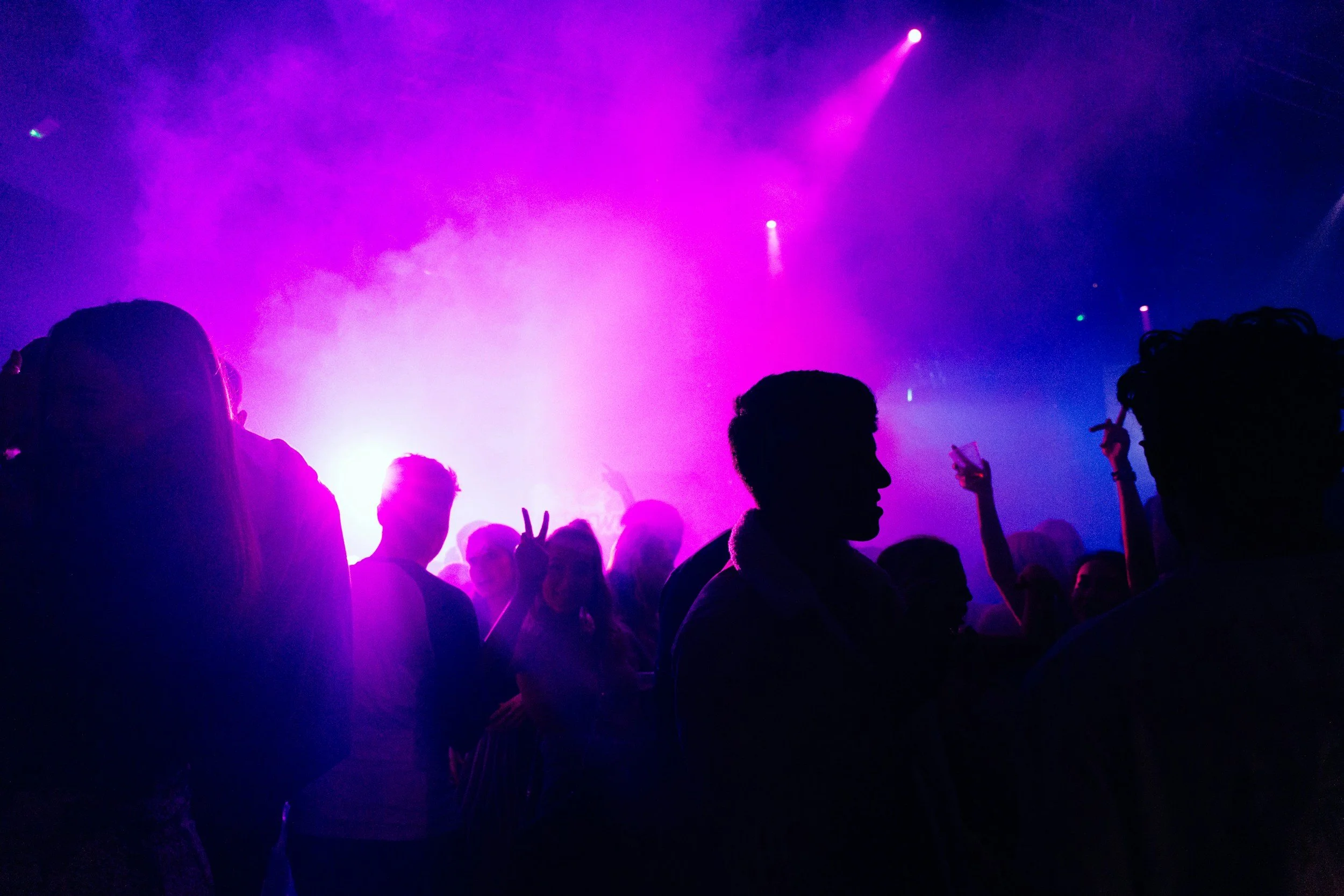
Why EDM-Friendly Therapy
If electronic music, festivals, dancing, concerts, and the communities surrounding them are an important part of your life, you may want a therapist who understands that culture without judging it or treating it like a problem.
As a member of the community myself, I offer therapy for ravers and music lovers in Seattle and throughout Washington State, with an understanding of the unique experiences that can come with festival culture, nightlife, frequent shows, transformative experiences, and the transition between those experiences and everyday life.
You might find freedom and beautiful experiences at festivals, but struggle with anxiety, relationships, burnout, or self-esteem.
You might be trying to find more balance between shows and work, school, relationships, or other responsibilities.
Maybe you've had an intense experience at a festival that you haven't quite figured out how to process.
Whatever brings you to therapy, we can talk about it openly.
Therapy for ravers with anxiety, ADHD, or burnout
Festival culture may be the reason you found this page, but it doesn't have to be the primary reason you're seeking therapy.
I work with adults experiencing concerns such as:
Anxiety
ADHD and executive-functioning difficulties
Burnout
Stress
Self-esteem concerns
Social anxiety
Life transitions
Relationship difficulties
Emotional regulation
Feeling stuck or disconnected
Identity exploration
When festival life and everyday life feel disconnected
Festivals provide a sense of freedom, connection, creativity, self-expression, or belonging that is harder to access during everyday life.
You might find yourself thinking:
"Why do I feel so much more like myself at festivals?"
Or:
"How do I bring some of that version of myself home?"
Those questions can lead to meaningful therapeutic work. We can explore what they reveal about your needs, values, relationships, and sense of identity.
Therapy can help you consider how to bring more of what you value about festival culture: connection, creativity, play, movement, community, spontaneity, or self-expression, into the rest of your life.
Substance use and festival culture
Substance use may be a part of your concert and festival environments.
If you're questioning your relationship with alcohol or other substances, you can talk about that here without having to defend yourself or hide your experiences.
Therapy can be a place to explore questions such as:
Is my substance use working for me?
Am I using substances differently than I intend to?
How does my use affect my mood, relationships, or responsibilities?
Do I want to change how I use substances?
How can I make decisions that are more consistent with my values?
What happened during an experience that I haven't fully processed?
No assumptions will be made about your behavior. Together, we can explore what’s happening and what changes you want to make.
Processing difficult or intense experiences
You may have experienced an overwhelming situation, conflict, unwanted sexual attention, a frightening experience, a difficult interaction, a challenging inner landscape due to substances, or something else that continues to bother you after the event.
You don't have to minimize what happened because it occurred in a festival environment. Therapy can provide a space to process difficult experiences, understand your reactions, and determine what you need to move forward.
Post-Festival Blues
Experiencing emotional lows after an incredible show or event is common. After several days of music, dancing, travel, novelty, community, and intense stimulation, returning to ordinary routines can feel surprisingly difficult.
You may experience:
Low mood
Irritability
Fatigue
Loneliness
Difficulty getting motivated
A sense that everyday life feels dull
Difficulty reconnecting with work or responsibilities
Longing for the next event
Feeling disconnected from people who weren't there
A temporary emotional dip after an intense experience doesn't automatically mean something is wrong. But if these patterns are interfering with your life, relationships, or wellbeing, therapy can provide a place to explore what's happening.
A therapist who understands festival culture
I've been part of the live music and electronic music scene for over 15 years, so the culture isn't an abstract concept to me.
I understand that festivals can be more than entertainment. They can be places where people find community, creativity, self-expression, freedom, connection, and a temporary escape from the expectations of everyday life.
At the same time, festival culture can come with its own challenges.
You shouldn't have to spend your therapy sessions explaining why you traveled across the country for a three-day festival, why a particular event was meaningful to you, or why returning to ordinary life afterward feels unexpectedly difficult. You can simply talk about your experience.
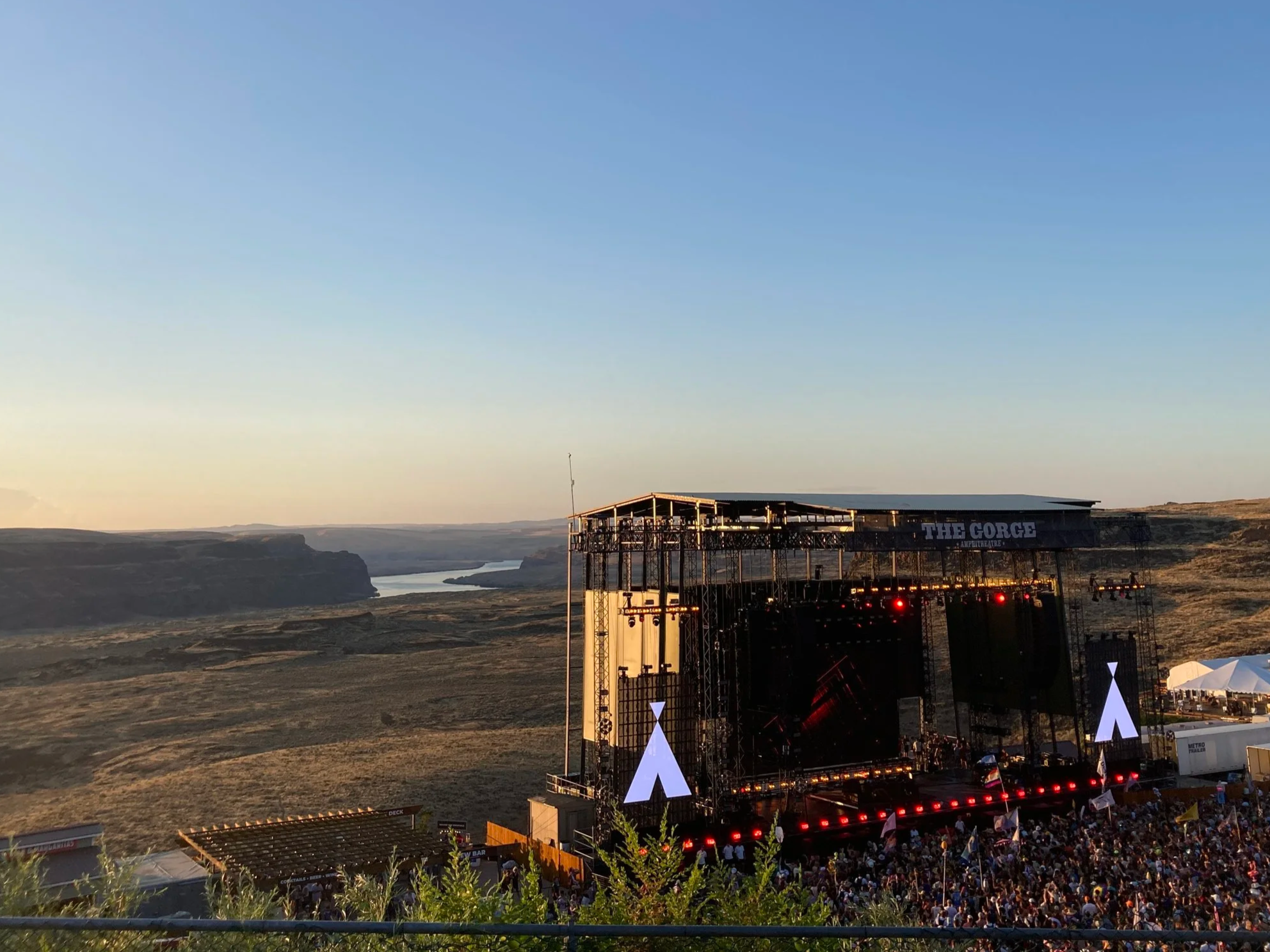
Frequently Asked Questions
Still have questions? You can schedule a free 15 minute consultation call to go over how therapy can support your healing and growth.
-
Look for a therapist who explicitly identifies as rave-friendly, festival-friendly, EDM-friendly, or experienced with nontraditional lifestyles. It can also help to ask during a consultation whether the therapist is familiar with festival culture, concerts, nightlife, and the experiences that can come with them.
If you're looking for a raver-friendly therapist in Seattle or in Washington, I offer virtual therapy statewide and outdoor therapy in South Seattle.
-
Some people experience sadness, loneliness, fatigue, low motivation, or a sense of emptiness after returning from a festival. The transition from an intense, highly social experience back to ordinary routines can feel difficult, particularly when the festival provided a strong sense of connection, excitement, creativity, or belonging.
People sometimes refer to this experience as festival blues or post-festival blues. If the feelings are persistent, severe, or interfering with your everyday life, therapy can provide a place to explore what's happening.
-
There can be many reasons someone feels anxious during or after an intense event. Sleep disruption, physical exhaustion, overstimulation, returning to everyday responsibilities, social experiences, substance use, or simply the contrast between an intense weekend and a quieter routine may all play a role.
Therapy can help you understand your particular pattern rather than assuming that the event or substance itself is the problem.
-
Yes. Substance use can be part of an honest conversation about your mental health without automatically making it the entire focus of therapy.
You might want to explore how substances affect your mood, anxiety, relationships, sleep, responsibilities, or experiences at festivals; whether your current patterns align with your goals; or whether you'd like to make changes.
Therapy can provide a nonjudgmental place to examine those questions.
-
That's a worthwhile question to explore in therapy.
Rather than assuming that your festival self is an escape from your "real" life, we can look at what you're experiencing at festivals that feels different, perhaps connection, creativity, spontaneity, community, self-expression, or freedom, and consider how those values might inform the rest of your life.
-
Yes. I offer virtual therapy throughout Washington State, so you don't have to live in Seattle to work with me.
If you're looking for a therapist who understands rave and festival culture, you can schedule a consultation to see whether we're a good fit.
Raver-friendly therapy in Washington
You do not have to have everything figured out before reaching out. Schedule a free consultation today to get your questions answered and take the next step toward your best life.
Credential Type: Licensed Mental Health Counselor Associate
License State: Washington
License Number: 70089084
License Expiration Date: 2027-03
Education: Seattle Univeristy
Degree/Diploma: M.Ed.
Year Graduated: 2023
Supervisor: Rachel Richards, LMHC
I am a contractor for Four Winds Therapy and all billing and paperwork will go through them.
Qualifications
Paying for therapy
Individual Session Cost: $120 per session
I am in network with many insurance providers. In an effort to keep therapists affordable to all patients I offer sliding scale rates to qualifying clients. Please reach out to see what we can do to help keep therapy affordable for you.
If you are a member of the EDM/bass music community and you cannot afford therapy, please consider applying for a grant through CrownTheFoundation!
https://crownthefoundation.org/grants-%26-resources
In-Network Plans:
Aetna
Ambetter
Anthem
Blue Cross
Blue Shield
BlueCross and BlueShield
Carelon Behavioral Health
Healthcare Management Administrators
LifeWise
Meritain Health
Optum
Oscar Health
Oxford
Premera Blue Cross
Providence
Regence